

Why digital nomads are finally trading the beach for São Paulo
The Urban Shift: Beyond the Tropical Office Cliché
For years, the quintessential image of the digital nomad involved a laptop, a coconut, and a turquoise horizon. Destinations like Bali, Tulum, and Brazil’s own Florianópolis became the default settings for the location-independent workforce. However, a subtle yet significant shift is occurring in the geography of remote work. The 'sand in the keyboard' aesthetic is losing its luster, replaced by a yearning for something more substantial: connectivity, community, and the raw, electric pulse of a global megacity. Nowhere is this trend more evident than in the rising influx of international professionals choosing São Paulo over the traditional seaside retreats.
São Paulo, often dismissed by tourists as a mere concrete jungle or a layover destination, is being rediscovered as the ultimate playground for the modern builder. It is no longer just the financial heart of Latin America; it has become a cultural and technological lighthouse that offers something the beach simply cannot provide: the friction of ideas and the speed of high-stakes commerce.
The Gravitational Pull of the Silicon Valley of Latin America
The primary driver behind this migration is the city’s status as a formidable tech hub. While beach towns offer relaxation, São Paulo offers opportunity. As the startup capital of the continent, the city attracts a dense concentration of venture capital, engineers, and creatives. For the digital nomad who isn't just 'answering emails' but is actively building a brand or a product, the networking potential here is unparalleled.
High-Speed Infrastructure and the Coworking Renaissance
Logistically, the city caters to the remote professional with a precision that coastal towns often lack. In neighborhoods like Pinheiros and Itaim Bibi, fiber-optic internet is a standard, not a luxury. The city has seen a boom in high-end coworking spaces that function more like private members' clubs, fostering an environment where professional serendipity is a daily occurrence. When your livelihood depends on a stable connection and a professional atmosphere, the reliability of São Paulo’s infrastructure becomes an irresistible draw.
A Cultural Ecosystem That Never Sleeps
Beyond the spreadsheets and Zoom calls, the nomadic lifestyle is defined by what happens after the laptop is closed. This is where São Paulo truly outshines its coastal competitors. The city doesn’t just have 'things to do'; it has entire movements. From the avant-garde art galleries of Jardins to the gritty, neon-soaked nightlife of Baixo Augusta, the city offers a sensory depth that a beach town, with its limited seasonal offerings, can rarely match.
Gastronomy as a Daily Exploration
For the digital nomad, food is often the primary way to experience a new culture. São Paulo’s culinary scene—a melting pot of Japanese, Italian, and indigenous influences—provides an endless map for exploration. It is a city where one can find a world-class Michelin-starred meal or a perfect pão de queijo at a 24-hour bakery. This level of variety prevents the 'island fever' that many nomads report after a few months in more isolated, nature-focused destinations.
Why the 'Concrete Jungle' Wins: Key Factors
The decision to trade the surfboard for the subway is rarely based on a single factor. Instead, it is a combination of lifestyle logistics and the desire for a more 'authentic' Brazilian experience. Here are the primary reasons nomads are making the switch:
- The Brazilian Digital Nomad Visa: Brazil’s relatively new visa regulations have made it easier for foreigners to stay for up to two years, and many are choosing the administrative ease of the city to set up their base.
- Cost of Living vs. Value: While São Paulo is Brazil’s most expensive city, it remains significantly more affordable than London, New York, or San Francisco, offering a high-tier metropolitan lifestyle for a fraction of the price.
- Connectivity: With two major international airports (GRU and CGH), São Paulo is the most connected city in the Southern Hemisphere, making it the perfect launchpad for exploring the rest of South America.
- Social Integration: Unlike the transient 'expat bubbles' of beach towns, São Paulo allows nomads to integrate into a local community of ambitious, like-minded Brazilians.
The Rise of the 'Work-Life Integration' Model
The shift toward São Paulo reflects a broader evolution in the remote work philosophy. The early wave of digital nomadism was about escape—escaping the office, the commute, and the city. But the new wave is about integration. Today’s nomads are looking for cities that enhance their professional lives rather than just providing a backdrop for their leisure time.
In São Paulo, the line between work and play is blurred in a way that feels productive rather than distracting. A morning meeting might take place in a specialty coffee shop in Vila Madalena, followed by an afternoon of deep work in a rooftop office overlooking the Paulista Avenue skyline, and ending with a gallery opening or a live jazz set. It is a cycle of inspiration that keeps the creative engine running.
Conclusion: A Destination for the Ambitious
São Paulo is not a city that reveals its charms easily; it requires an appetite for chaos and a love for the urban grit. However, for the digital nomad who has outgrown the novelty of working from a hammock, the city offers a sophisticated alternative. It provides the pulse, the people, and the professional scaffolding necessary to thrive in the modern economy. As the world becomes increasingly mobile, the allure of the beach may remain, but for those looking to build the future, the concrete jungle of São Paulo is increasingly the place to be.

The Evolution of Nightlife and Social Culture in Vila Madalena
The Bohemian Heartbeat: Understanding Vila Madalena’s Metamorphosis
In the labyrinthine streets of São Paulo’s West Zone lies Vila Madalena, a neighborhood that has long served as the city’s pulse for creativity, rebellion, and social gathering. To walk through its hilly terrain is to witness a living archive of São Paulo’s cultural shifts. Once a quiet residential area, Vila Madalena—or simply 'Vila' to locals—has undergone a profound evolution, transitioning from a gritty student enclave into one of the most sophisticated and globally recognized nightlife destinations in South America. This evolution is not merely about new bars opening their doors; it is a reflection of how Paulistano social culture has matured, blending traditional Brazilian heritage with global urban trends.
This culinary sophistication in Vila Madalena is just one facet of the city’s vibrant food culture, which blends traditional flavors with innovative global techniques.
The Bohemian Roots: From Academia to Art
The story of Vila Madalena’s nightlife began in the 1970s and 80s, driven largely by the proximity of the University of São Paulo (USP). During a period of political tension in Brazil, students and professors sought refuge in the neighborhood’s affordable housing and tucked-away bars. It became a sanctuary for intellectuals, artists, and musicians who sought a space for discourse and dissent. The social culture of this era was defined by the 'boteco'—simple, unpretentious bars serving cold beer and traditional snacks where the conversation was the main event.
By the 1990s, this academic energy had fermented into a full-blown artistic movement. The neighborhood became synonymous with samba circles, independent galleries, and a lifestyle that prioritized the 'slow' and the 'authentic' long before those terms became marketing buzzwords. The nightlife was organic, often spilling out from small garage-sized bars onto the sidewalks, creating a communal atmosphere that remains the neighborhood's hallmark today.
The Metamorphosis of the Boteco: Sophistication and Mixology
As São Paulo’s economy expanded, so did the ambitions of Vila Madalena’s entrepreneurs. The 2000s saw the rise of the 'boteco chic'—a polished version of the traditional Brazilian bar that maintained the soul of the neighborhood while offering high-end service and curated menus. This period marked a significant shift in the social landscape; the neighborhood began attracting a more affluent crowd, leading to a diversification of the nightlife experience.
Mixology and the Craft Beer Revolution
In recent years, the evolution has taken a more specialized turn. The dominance of mass-produced lagers has been challenged by a thriving craft beer scene. Microbreweries and taprooms have replaced many of the older, generic establishments, catering to a demographic that values origin and flavor profiles. Simultaneously, mixology has taken center stage. Bars like Guilhotina and Olívio have garnered international acclaim, transforming the act of 'going out for a drink' into a sensory performance. This shift reflects a broader trend in São Paulo’s social culture: a move away from quantity toward quality, where the craftsmanship of a cocktail is as much a conversation starter as the music playing in the background.
The Street as a Stage: The Beco do Batman Effect
One cannot discuss the evolution of Vila Madalena without acknowledging the impact of Beco do Batman (Batman’s Alley). What started as a clandestine spot for graffiti artists has become the epicenter of the neighborhood’s visual identity. This open-air gallery has fundamentally altered the flow of social interaction in the area. The nightlife is no longer confined to the hours after sunset; the presence of street art has created a 'day-to-night' fluidity.
Socializing now begins in the late afternoon, with tourists and locals alike congregating around the murals before migrating to nearby bars on Rua Aspicuelta or Rua Harmonia. This transition has led to the rise of 'sunset parties' and rooftop lounges, emphasizing the city’s skyline and the neighborhood’s unique topography. The street itself has become a stage, where the boundaries between public space and private commerce are increasingly blurred.
Navigating the Modern Vila Madalena: What Defines the Vibe Now?
Today, Vila Madalena offers a multifaceted experience that caters to various subcultures within the city. While it has faced the inevitable pressures of gentrification, it has managed to retain a core sense of identity by layering the new over the old. Here is what defines the current social landscape of the neighborhood:
- Musical Diversity: While Samba remains the neighborhood's heartbeat, you will now find specialized jazz clubs, vinyl-only DJ sets, and experimental electronic spaces.
- Gastro-Pubs and Fusion: The culinary scene has evolved to include sophisticated fusion cuisine, where traditional Brazilian ingredients are reimagined through global techniques.
- Day-Drinking Culture: The 'Happy Hour' has expanded into 'Happy Afternoons,' with many establishments opening early to accommodate the weekend crowds seeking sunlight and outdoor seating.
- Conceptual Spaces: Many venues now function as hybrids—part clothing store, part art gallery, and part bar—reflecting the multidisciplinary nature of modern Paulistano creativity.
The Shift Toward Day-Night Fluidity
Perhaps the most significant trend in Vila Madalena’s recent history is the move toward daytime socializing. The 'carnivalization' of the neighborhood during the annual street parades (Blocos de Carnaval) has left a lasting impact on how people use the space year-round. There is a growing preference for open-air environments and 'varandas' (verandas), where the social energy of the street can be felt even from within a venue. This evolution suggests a desire for more transparent, communal social experiences that reject the dark, enclosed clubs of previous decades.
Conclusion: A Resilient Cultural Identity
The evolution of Vila Madalena is a testament to São Paulo’s ability to reinvent itself without losing its soul. From its origins as a student hideout to its current status as a global nightlife icon, the neighborhood has remained the city’s primary laboratory for social trends. While it has become more commercialized, the underlying spirit of 'viver a Vila' (living the Vila) persists. It remains a place where the unexpected is expected, where a chance encounter in a samba house can lead to a sunrise conversation on a street corner, and where the history of São Paulo’s bohemian heart continues to be written, one cocktail and one mural at a time.
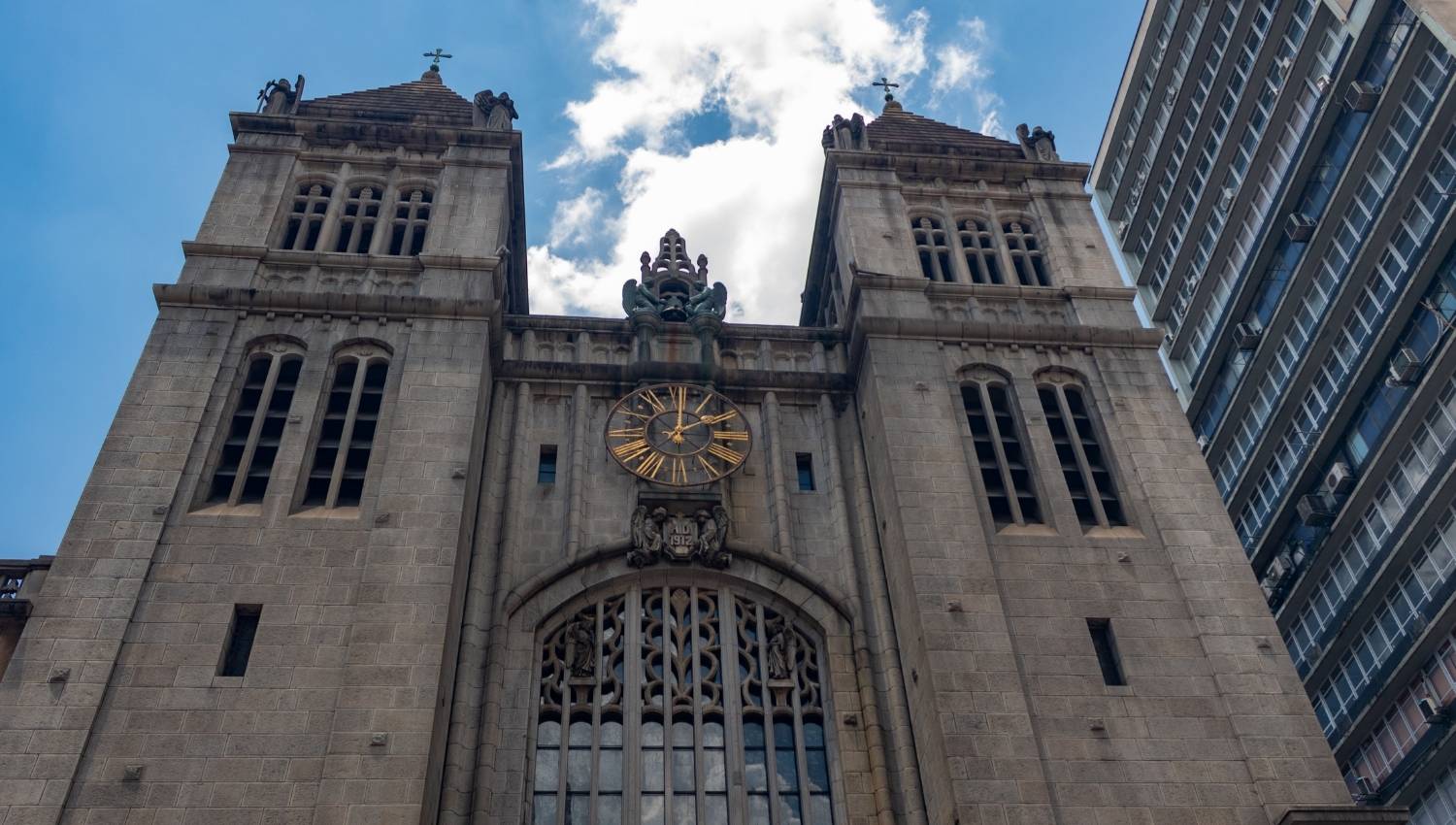
Art & Architecture in São Paulo: The City’s Creative Soul
São Paulo isn’t just Brazil’s financial powerhouse — it’s a living gallery where creativity meets concrete. Every street corner, museum, and skyline tells a story of innovation, resilience, and artistic passion. From modernist icons to cutting-edge street art, São Paulo’s artistic landscape reflects the pulse of a city constantly reinventing itself.
This is more than a metropolis — it’s a masterpiece in motion.
A City Built on Creative Vision
São Paulo’s architecture is as diverse as its people. The city’s skyline blends historic colonial structures with bold modernism and sleek contemporary designs. One name dominates the conversation — Oscar Niemeyer, whose visionary curves helped define Brazil’s architectural identity.
Visit the Copan Building, one of Niemeyer’s most recognizable works, and you’ll see how art and architecture merge seamlessly into everyday life. With its sinuous design and human-centered form, the Copan stands as a symbol of São Paulo’s creative spirit — urban, dynamic, and unapologetically modern.
Not far away, the Edifício Itália and Altino Arantes Building (Banespa Tower) offer panoramic views of the city, revealing a skyline that captures São Paulo’s architectural evolution — from Art Deco grandeur to modern urban innovation.
Museums that Tell the Story of a Nation
São Paulo is home to some of Latin America’s most prestigious art institutions. The São Paulo Museum of Art (MASP) is a must-visit for any art lover. Suspended on red pillars over Avenida Paulista, the MASP’s design by Lina Bo Bardi is an architectural statement in itself — minimalist, bold, and deeply human. Inside, its collection spans centuries, featuring European masters, Brazilian modernists, and an expanding focus on Afro-Brazilian and Indigenous artists.
For contemporary art, head to Instituto Tomie Ohtake, a space dedicated to innovation in visual arts, architecture, and design. Its colorful façade is as striking as the exhibitions it hosts, often highlighting emerging voices shaping Brazil’s creative future.
Meanwhile, the Pinacoteca do Estado stands as one of the country’s oldest and most respected museums, offering a deep dive into Brazil’s artistic history within beautifully restored 19th-century walls.
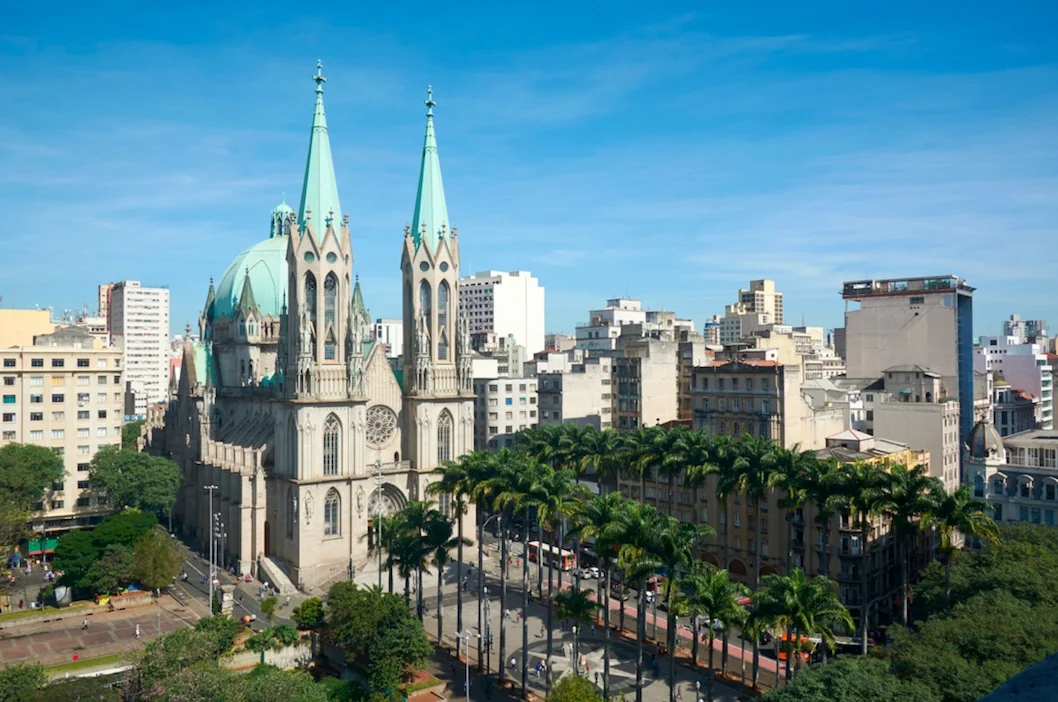
The Streets as a Canvas
Art in São Paulo doesn’t end inside museums — it spills into the streets. Neighborhoods like Vila Madalena and Beco do Batman have become global icons for street art, featuring works that transform walls into stories of identity, resistance, and beauty.
Murals by both local and international artists turn São Paulo into one of the world’s street art capitals, where creativity isn’t contained — it’s celebrated. From bold political messages to abstract masterpieces, the city’s open-air galleries are a testament to the freedom of expression that defines its people.
Where Creativity Meets Community
What makes São Paulo’s creative scene so unique is how art and architecture serve not just as visual experiences, but as social dialogues. They connect communities, inspire innovation, and challenge perspectives. Whether it’s a mural celebrating cultural heritage or a building redefining urban living, every piece of creativity adds to the city’s collective voice.
Final Thoughts
São Paulo is more than Brazil’s economic center — it’s a cultural powerhouse. Its art and architecture reflect a city that thrives on contrasts: old and new, structured and spontaneous, individual and collective. For travelers seeking more than sightseeing, São Paulo offers a journey through imagination — a living testament to the creative soul of a city that never stops evolving.
A Food Lover’s Guide to São Paulo: Where Flavor Meets Culture
If there’s one thing São Paulo does better than almost any other city, it’s food. Known as Brazil’s gastronomic capital, São Paulo is a melting pot of flavors, where every meal tells a story of migration, creativity, and culture. From high-end Michelin-starred restaurants to humble street stalls, the city’s dining scene is a journey in itself — one that connects the world through taste.
Here’s your ultimate food lover’s guide to São Paulo — where flavor meets culture at every corner.
1. Mercado Municipal de São Paulo (Mercadão) — The Culinary Heartbeat
No introduction to São Paulo’s food scene is complete without the Mercado Municipal, affectionately known as Mercadão. This grand market offers a vibrant mix of aromas and colors — from exotic fruits and fresh seafood to artisanal cheeses and Brazilian spices.
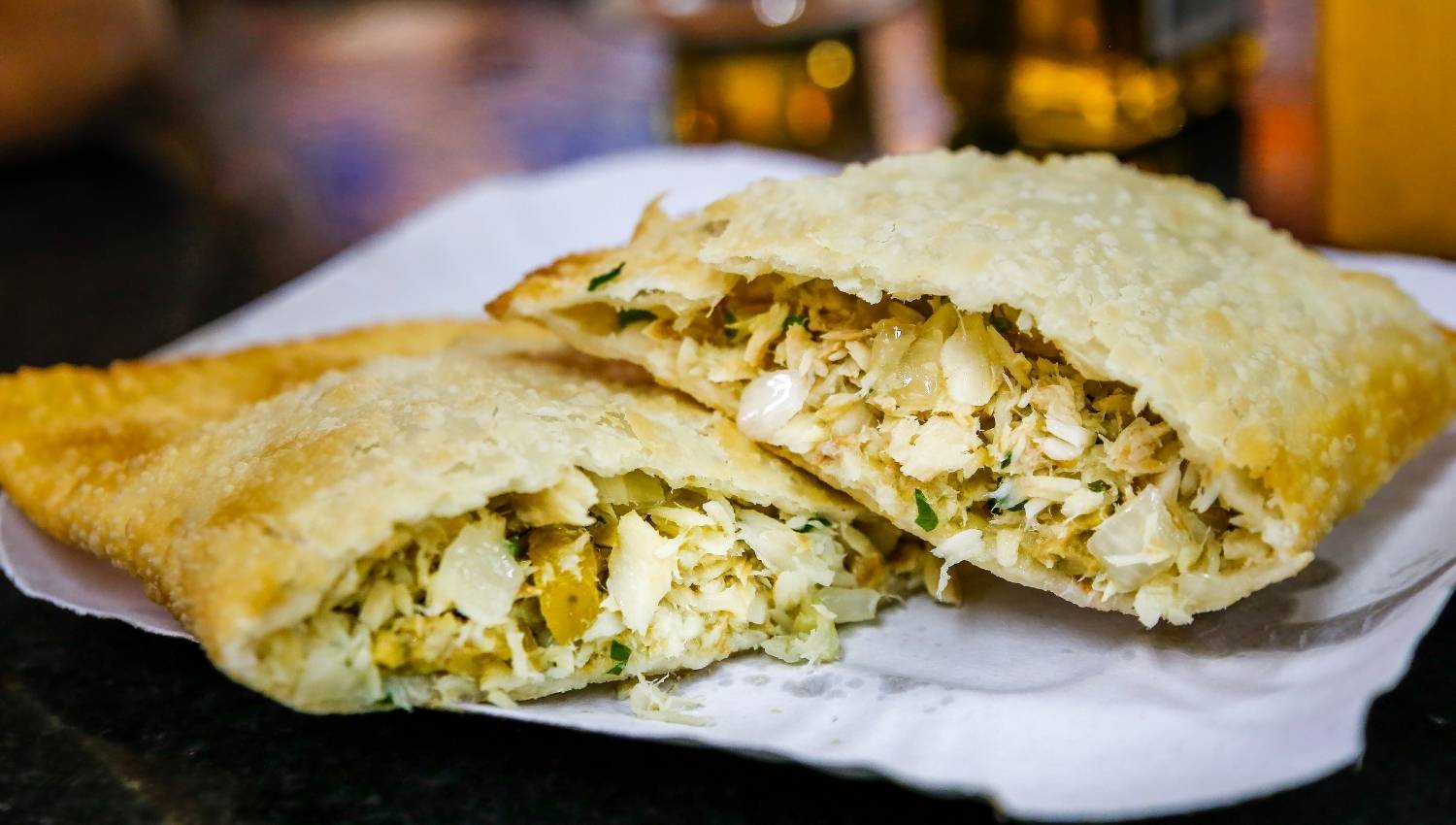
But the star here? The mortadella sandwich — a towering stack of cured meat layered inside a soft roll — and the pastel de bacalhau (codfish pastry). It’s the perfect starting point for any culinary exploration.
2. Vila Madalena — The Bohemian Flavor District
Vila Madalena is where São Paulo’s creative soul meets its culinary genius. This neighborhood is lined with eclectic restaurants, trendy bars, and art-covered walls. Try local fusion cuisine or enjoy Brazilian comfort food with a modern twist. Whether it’s feijoada served in a boutique café or craft caipirinhas at sunset, Vila Madalena offers the perfect blend of taste and atmosphere.
3. Liberdade — A Taste of Japan in Brazil
São Paulo has the largest Japanese population outside Japan, and Liberdade is its vibrant epicenter. Here, you can find authentic ramen shops, sushi bars, and Japanese bakeries that rival Tokyo’s finest. Beyond the food, the area immerses you in a mix of Brazilian and Asian traditions — from tea houses to lantern-lit festivals that celebrate shared culture through cuisine.
4. Jardins — Fine Dining and International Cuisine
For the upscale traveler, Jardins is São Paulo’s fine dining hub. Home to some of Latin America’s best restaurants, including D.O.M. by renowned chef Alex Atala, this district defines culinary innovation. Expect Brazilian ingredients elevated with international technique — think Amazonian herbs, wild fruits, and fresh seafood transformed into world-class gastronomy.
5. Street Food — The Soul of São Paulo
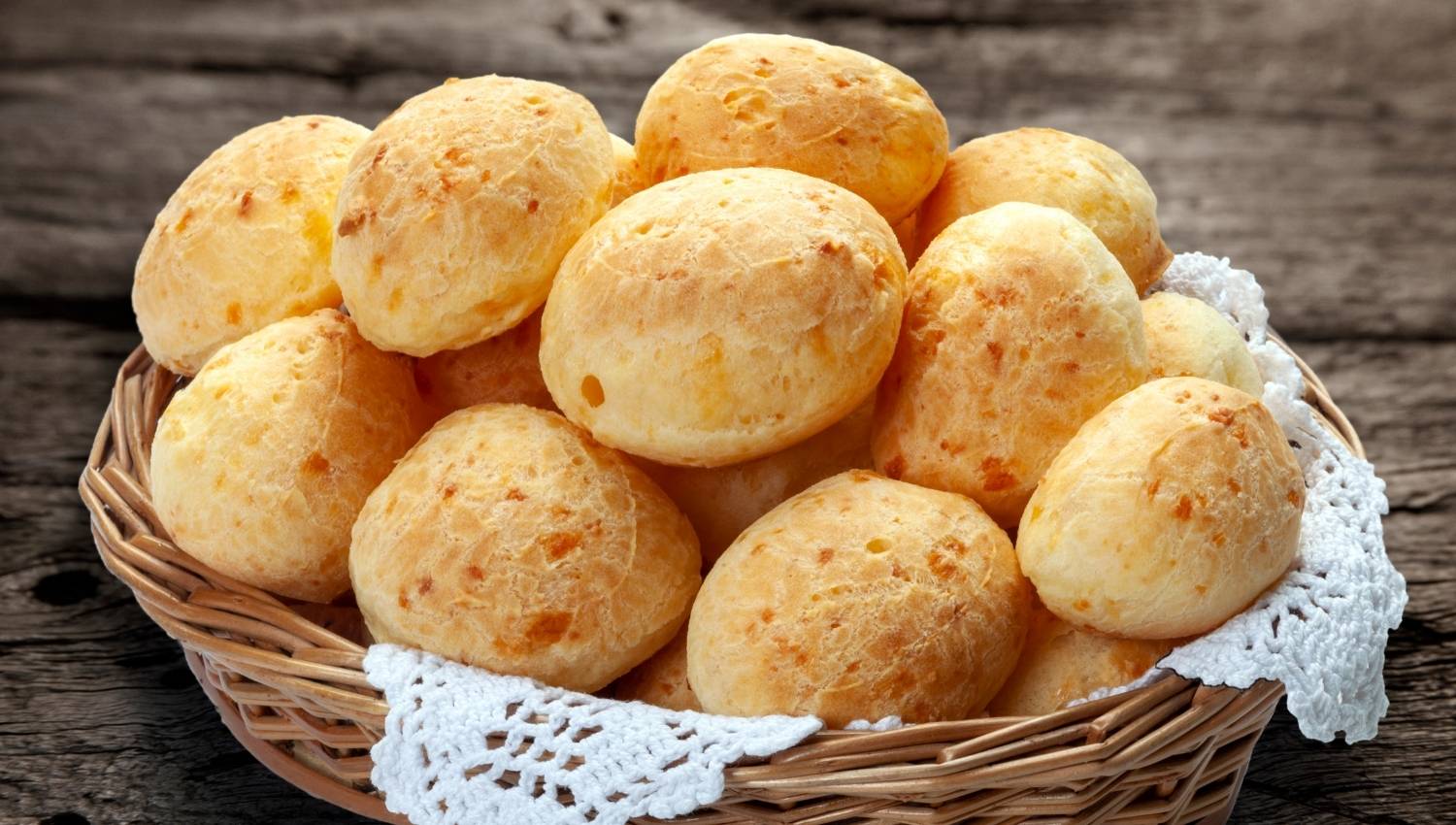
São Paulo’s energy comes alive in its street food scene. Try coxinha (shredded chicken dumpling), pão de queijo (cheese bread), and pastel com caldo de cana (crispy pastry with sugarcane juice). Street vendors, especially around Praça da República and local fairs, offer authentic flavors at unbeatable prices — a real taste of São Paulo’s diversity and creativity.
6. Cafés and Bakeries — Brazil’s Coffee Culture at Its Finest
São Paulo’s relationship with coffee runs deep — it’s the heart of Brazil’s coffee trade. Local cafés serve rich espresso, cold brews, and pão na chapa (toasted bread with butter) for breakfast. Don’t miss Padaria Bella Paulista or Octavio Café for a perfect mix of tradition and sophistication.
Final Thoughts: A City Defined by Its Taste
In São Paulo, food isn’t just sustenance — it’s identity. Every neighborhood, market, and eatery contributes to a living, breathing culinary culture that reflects the city’s global spirit. Whether you’re sampling street bites or savoring Michelin-level meals, São Paulo invites you to experience its culture one plate at a time.
Because here, every flavor tells the story of the world — São Paulo style.
Top 10 Must-Visit Attractions in São Paulo for Every Traveler
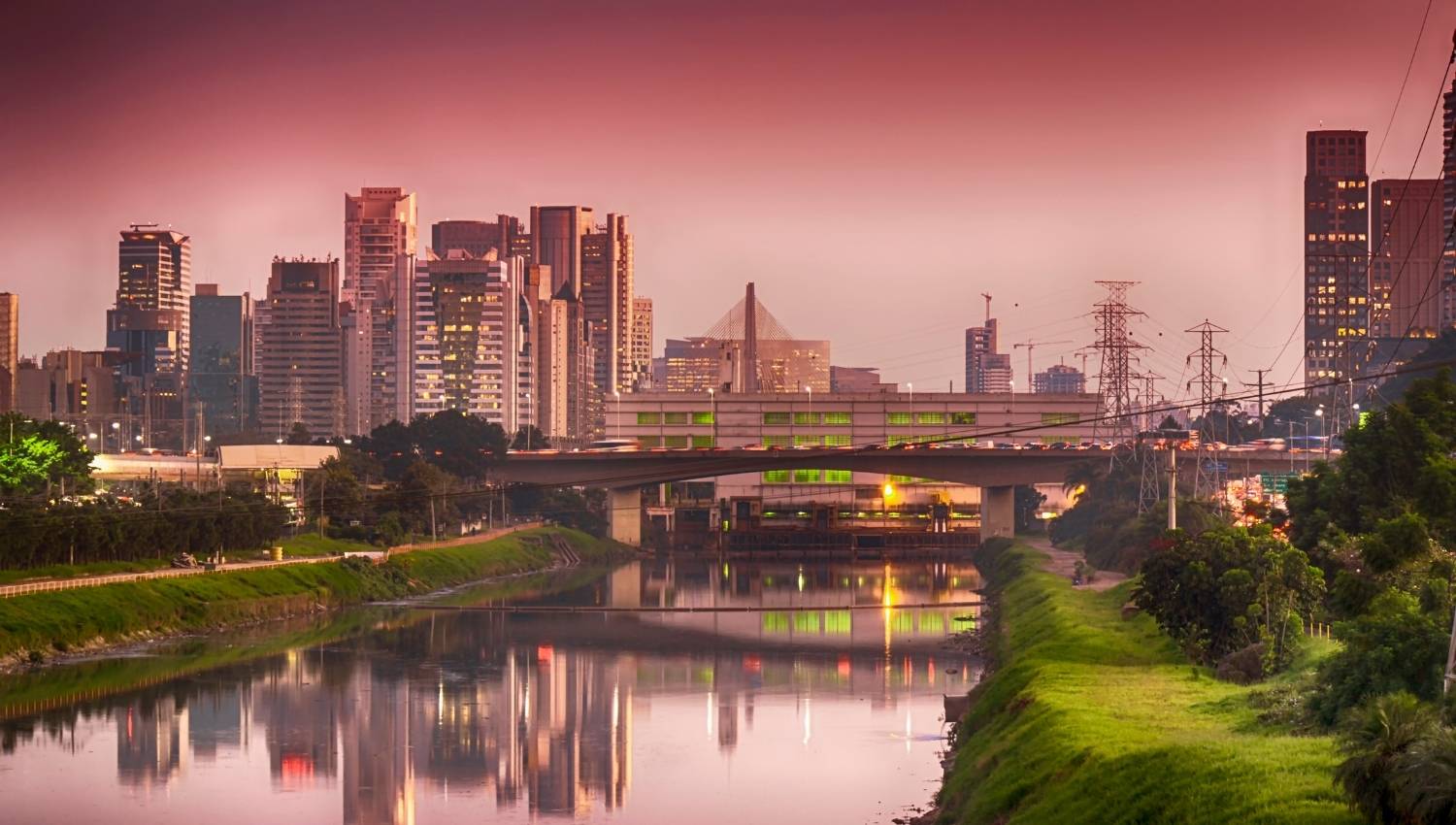
São Paulo isn’t just Brazil’s largest city — it’s a cultural powerhouse that blends art, gastronomy, history, and innovation. From world-class museums to lush parks and electric nightlife, São Paulo offers something for every kind of traveler. Whether you’re visiting for a weekend or an extended stay, here are 10 must-visit attractions in São Paulo that define the soul of this remarkable metropolis.
1. Avenida Paulista — The Beating Heart of the City
No trip to São Paulo is complete without walking along Avenida Paulista, the city’s most famous avenue. It’s lined with museums, cafes, shopping centers, and cultural hubs. Visit on a Sunday when the avenue becomes pedestrian-only, and enjoy live music, street art, and a true celebration of urban life.
2. Museu de Arte de São Paulo (MASP)
An architectural icon suspended on red concrete beams, MASP holds one of Latin America’s most impressive art collections. From Van Gogh to Portinari, every floor of this museum tells a story of global creativity and Brazilian identity.
3. Parque Ibirapuera — São Paulo’s Green Oasis
Designed by Oscar Niemeyer and Burle Marx, Ibirapuera Park is a masterpiece of landscape and modernist architecture. Locals come here to jog, cycle, picnic, and visit the museums scattered across its grounds. It’s São Paulo’s answer to Central Park — only with more flavor.
4. Mercado Municipal de São Paulo (Mercadão)
A sensory overload in the best way possible. Mercadão is where culinary dreams come true — from the iconic mortadella sandwich to fresh tropical fruits and exotic spices. Don’t leave without trying the pastel de bacalhau (codfish pastry).
5. Liberdade — The Japanese District
Home to the largest Japanese community outside Japan, Liberdade is a cultural gem filled with Asian markets, lantern-lined streets, and authentic restaurants. Visit on weekends to explore the famous street fair and indulge in Japanese-Brazilian fusion dishes.
6. Pinacoteca do Estado de São Paulo
As one of Brazil’s oldest art museums, Pinacoteca celebrates the richness of national art and history. Its red-brick neoclassical building, surrounded by gardens and sculptures, creates a perfect balance between heritage and modernity.

7. Theatro Municipal — A Legacy of Elegance
Inspired by the Paris Opera, Theatro Municipal stands as one of São Paulo’s most magnificent landmarks. Whether you attend a ballet, opera, or simply admire the stunning architecture, this theater showcases the city’s artistic grandeur.
8. Vila Madalena — The Creative Hub
This bohemian neighborhood thrives on creativity and spontaneity. Vila Madalena is known for its vibrant street art — especially Beco do Batman, where every wall is a living canvas. Pair it with a local bar or café for a full-on cultural experience.
9. Estação da Luz & Museu da Língua Portuguesa
A restored 19th-century train station and a modern museum dedicated to the Portuguese language — Estação da Luz and Museu da Língua Portuguesa highlight Brazil’s linguistic roots in an engaging, interactive way. It’s where history meets innovation.
10. Edifício Copan — Niemeyer’s Masterpiece
An architectural marvel designed by Oscar Niemeyer, Edifício Copan symbolizes São Paulo’s urban dynamism. Climb to the rooftop for panoramic views of the city’s skyline — a must-do for photographers and architecture enthusiasts.
Bonus Tip: Experience São Paulo After Dark
São Paulo’s nightlife is legendary. From rooftop bars in Jardins to samba clubs in Vila Madalena, the city never sleeps. Don’t miss a live show or a late-night culinary adventure — it’s where the city’s true spirit shines.
Final Thoughts
São Paulo is more than a destination — it’s an experience. Its blend of culture, cuisine, and creativity makes it one of the most exciting cities in the world. Whether you’re an art lover, foodie, or explorer, São Paulo’s diversity ensures every visit feels new.
Plan your itinerary wisely, bring comfortable shoes, and get ready to discover the real São Paulo — vibrant, complex, and endlessly inspiring.