
The Bohemian Heartbeat: Understanding Vila Madalena’s Metamorphosis
In the labyrinthine streets of São Paulo’s West Zone lies Vila Madalena, a neighborhood that has long served as the city’s pulse for creativity, rebellion, and social gathering. To walk through its hilly terrain is to witness a living archive of São Paulo’s cultural shifts. Once a quiet residential area, Vila Madalena—or simply ‘Vila’ to locals—has undergone a profound evolution, transitioning from a gritty student enclave into one of the most sophisticated and globally recognized nightlife destinations in South America. This evolution is not merely about new bars opening their doors; it is a reflection of how Paulistano social culture has matured, blending traditional Brazilian heritage with global urban trends.
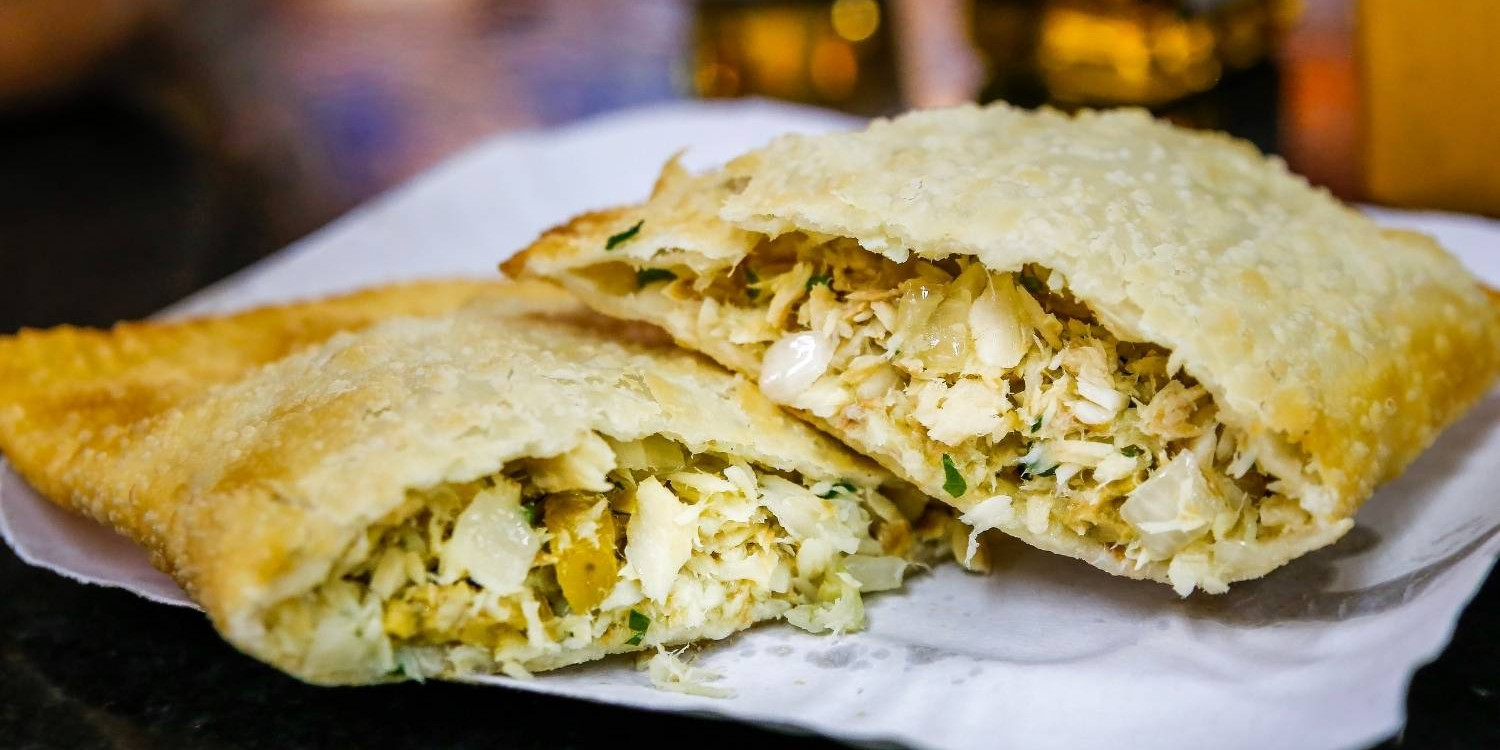
This culinary sophistication in Vila Madalena is just one facet of the city’s vibrant food culture, which blends traditional flavors with innovative global techniques.
The Bohemian Roots: From Academia to Art
The story of Vila Madalena’s nightlife began in the 1970s and 80s, driven largely by the proximity of the University of São Paulo (USP). During a period of political tension in Brazil, students and professors sought refuge in the neighborhood’s affordable housing and tucked-away bars. It became a sanctuary for intellectuals, artists, and musicians who sought a space for discourse and dissent. The social culture of this era was defined by the ‘boteco’—simple, unpretentious bars serving cold beer and traditional snacks where the conversation was the main event.
By the 1990s, this academic energy had fermented into a full-blown artistic movement. The neighborhood became synonymous with samba circles, independent galleries, and a lifestyle that prioritized the ‘slow’ and the ‘authentic’ long before those terms became marketing buzzwords. The nightlife was organic, often spilling out from small garage-sized bars onto the sidewalks, creating a communal atmosphere that remains the neighborhood’s hallmark today.
The Metamorphosis of the Boteco: Sophistication and Mixology
As São Paulo’s economy expanded, so did the ambitions of Vila Madalena’s entrepreneurs. The 2000s saw the rise of the ‘boteco chic’—a polished version of the traditional Brazilian bar that maintained the soul of the neighborhood while offering high-end service and curated menus. This period marked a significant shift in the social landscape; the neighborhood began attracting a more affluent crowd, leading to a diversification of the nightlife experience.
Mixology and the Craft Beer Revolution
In recent years, the evolution has taken a more specialized turn. The dominance of mass-produced lagers has been challenged by a thriving craft beer scene. Microbreweries and taprooms have replaced many of the older, generic establishments, catering to a demographic that values origin and flavor profiles. Simultaneously, mixology has taken center stage. Bars like Guilhotina and Olívio have garnered international acclaim, transforming the act of ‘going out for a drink’ into a sensory performance. This shift reflects a broader trend in São Paulo’s social culture: a move away from quantity toward quality, where the craftsmanship of a cocktail is as much a conversation starter as the music playing in the background.
The Street as a Stage: The Beco do Batman Effect
One cannot discuss the evolution of Vila Madalena without acknowledging the impact of Beco do Batman (Batman’s Alley). What started as a clandestine spot for graffiti artists has become the epicenter of the neighborhood’s visual identity. This open-air gallery has fundamentally altered the flow of social interaction in the area. The nightlife is no longer confined to the hours after sunset; the presence of street art has created a ‘day-to-night’ fluidity.
Socializing now begins in the late afternoon, with tourists and locals alike congregating around the murals before migrating to nearby bars on Rua Aspicuelta or Rua Harmonia. This transition has led to the rise of ‘sunset parties’ and rooftop lounges, emphasizing the city’s skyline and the neighborhood’s unique topography. The street itself has become a stage, where the boundaries between public space and private commerce are increasingly blurred.
Navigating the Modern Vila Madalena: What Defines the Vibe Now?
Today, Vila Madalena offers a multifaceted experience that caters to various subcultures within the city. While it has faced the inevitable pressures of gentrification, it has managed to retain a core sense of identity by layering the new over the old. Here is what defines the current social landscape of the neighborhood:
- Musical Diversity: While Samba remains the neighborhood’s heartbeat, you will now find specialized jazz clubs, vinyl-only DJ sets, and experimental electronic spaces.
- Gastro-Pubs and Fusion: The culinary scene has evolved to include sophisticated fusion cuisine, where traditional Brazilian ingredients are reimagined through global techniques.
- Day-Drinking Culture: The ‘Happy Hour’ has expanded into ‘Happy Afternoons,’ with many establishments opening early to accommodate the weekend crowds seeking sunlight and outdoor seating.
- Conceptual Spaces: Many venues now function as hybrids—part clothing store, part art gallery, and part bar—reflecting the multidisciplinary nature of modern Paulistano creativity.
The Shift Toward Day-Night Fluidity
Perhaps the most significant trend in Vila Madalena’s recent history is the move toward daytime socializing. The ‘carnivalization’ of the neighborhood during the annual street parades (Blocos de Carnaval) has left a lasting impact on how people use the space year-round. There is a growing preference for open-air environments and ‘varandas’ (verandas), where the social energy of the street can be felt even from within a venue. This evolution suggests a desire for more transparent, communal social experiences that reject the dark, enclosed clubs of previous decades.
Conclusion: A Resilient Cultural Identity
The evolution of Vila Madalena is a testament to São Paulo’s ability to reinvent itself without losing its soul. From its origins as a student hideout to its current status as a global nightlife icon, the neighborhood has remained the city’s primary laboratory for social trends. While it has become more commercialized, the underlying spirit of ‘viver a Vila’ (living the Vila) persists. It remains a place where the unexpected is expected, where a chance encounter in a samba house can lead to a sunrise conversation on a street corner, and where the history of São Paulo’s bohemian heart continues to be written, one cocktail and one mural at a time.