
Planning a short São Paulo visit involves prioritizing the city’s vast cultural, culinary, and recreational offerings into a manageable timeframe, typically spanning one to three days. Effective planning focuses on selecting key districts like Avenida Paulista or Vila Madalena to minimize transit time while experiencing the essential museums, parks, and nightlife that define this South American metropolis.
For many visitors in 2026, the challenge is no longer finding things to do, but deciding what to leave out. The city’s sheer scale can be intimidating, yet its most rewarding experiences are often concentrated in walkable (or bikeable) pockets. By narrowing your focus to the central-west axis, you can capture the essence of the city without spending your entire stay in the back of a car.
Essentials for a Short São Paulo Trip
The first step in planning is choosing a strategic home base. For a 48-hour stay, the neighborhoods of Pinheiros, Vila Madalena, or the area surrounding Avenida Paulista are the most practical choices. These districts offer the highest density of subway stations, high-end coffee shops, and diverse dining options. Staying in Pinheiros, for instance, places you within walking distance of the Line 4 (Yellow) metro, which connects the historic center to the modern business hubs.
Logistics also depend heavily on your arrival point. While Guarulhos (GRU) remains the primary international gateway, Congonhas (CGH) is significantly closer to the main tourist areas. If you are arriving on a domestic flight after a week in Rio or the Northeast, Congonhas will save you at least an hour of transit time. In late 2026, the expanded metro and monorail connections have improved access, but a ride-share app remains the most predictable way to move luggage between the airport and your hotel.
Food is another essential pillar. For a short trip, prioritize the city’s specific culinary institutions: the padaria (bakery) for breakfast, a traditional quilo restaurant for lunch, and a specialized pizza place for dinner. São Paulo’s pizza culture is world-renowned, and visiting a spot like Bráz or Speranza in the Bixiga district is a non-negotiable experience for first-timers.
Immersing Yourself in Local Arts and Culture
São Paulo’s cultural density is best experienced through its major museums and street art corridors. The Museu de Arte de São Paulo (MASP) on Avenida Paulista is the most recognizable landmark, famous for its floating glass easels that allow you to walk among the masterpieces. Just a few blocks away, the Japan House and the Itaú Cultural offer rotating contemporary exhibits that are often free to the public.
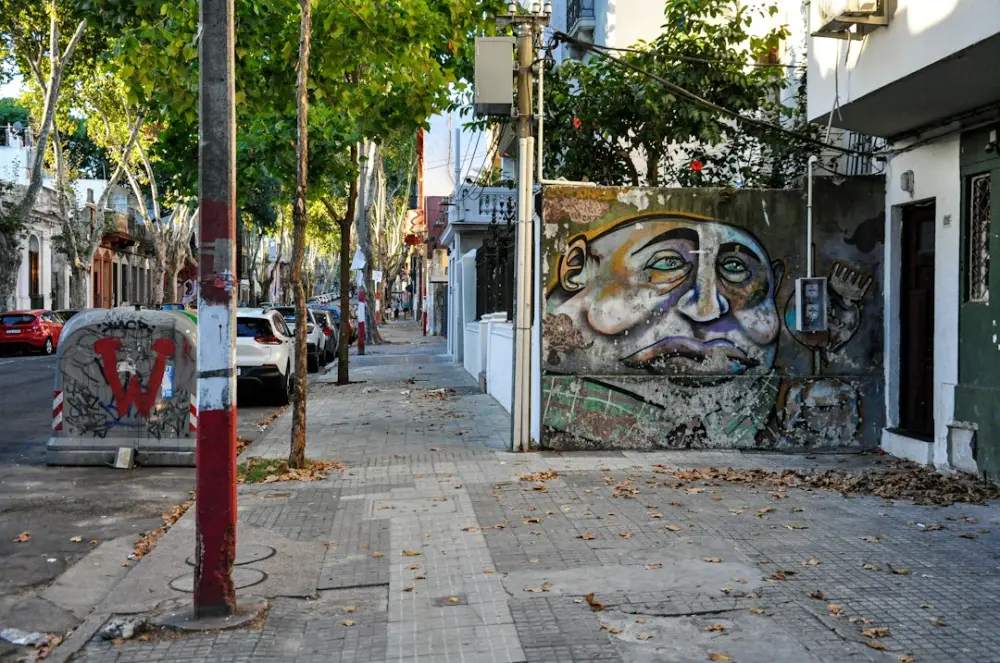
Beyond the formal galleries, the city’s street art reflects its restless energy. Beco do Batman (Batman’s Alley) in Vila Madalena is the most famous example, featuring a constantly evolving outdoor gallery of murals. It is a prime example of why digital nomads are finally trading the coast for the interior; the creative stimulus here is unmatched in South America. For a more historical perspective, the Pinacoteca do Estado near Luz Station houses an incredible collection of Brazilian art within a stunningly restored 19th-century brick building.
If your schedule allows for only one cultural stop, make it the Sesc Paulista. This social-cultural center features a rooftop observation deck that provides one of the best panoramic views of the city skyline. It is a practical way to grasp the scale of the metropolis while enjoying a coffee or a quick exhibition.
Exploring the City via Dedicated Cycling Paths
While São Paulo has a reputation for heavy traffic, the expansion of the ciclofaixas (cycling paths) has changed how visitors navigate the flatter parts of the city. On Sundays, major thoroughfares like Avenida Paulista are closed to cars and opened entirely to pedestrians and cyclists. Renting a bike via one of the city’s shared-bike apps is a straightforward process and allows you to cover more ground than walking.
Ibirapuera Park is the heart of the city’s outdoor life. The park features miles of paved paths that connect several Oscar Niemeyer-designed buildings, including the Afro-Brazil Museum and the Bienal Pavilion. Cycling from the Jardins district into Ibirapuera is a common weekend ritual. The park acts as a green lung, providing a necessary break from the concrete intensity of the surrounding neighborhoods.
Another excellent route is the path along the Pinheiros River. While more functional than scenic, it offers a flat, uninterrupted stretch for those looking for a morning workout before a day of sightseeing. This shift toward active transport is one reason more business travelers are finally staying for a few extra days to explore the city’s leisure infrastructure.
Navigating the Capital’s Dynamic Nightlife
Nightlife in São Paulo is segmented by neighborhood and vibe. Vila Madalena is the traditional choice for boteco hopping—informal bars where cold beer and deep-fried snacks (petiscos) are the main attraction. The intersection of Rua Aspicuelta and Rua Girassol is the epicenter of this scene, becoming particularly lively from Thursday through Saturday nights.
For a more polished experience, the Itaim Bibi and Jardins districts offer upscale cocktail bars and world-class dining. Places like Skye Bar at the Hotel Unique provide a sophisticated atmosphere with views over Ibirapuera Park. Meanwhile, the downtown area (Centro) has seen a resurgence in 2026, with hidden jazz bars and electronic music venues occupying repurposed historic buildings near República.
Live music is also a staple. Look for a roda de samba (samba circle) for an authentic local experience. These are often held in community centers or smaller bars in neighborhoods like Bixiga or Barra Funda. Unlike the choreographed shows found in some tourist-heavy cities, these gatherings are participatory and deeply rooted in the local culture.
A Balanced Two-Day Itinerary for Newcomers
For a focused 48-hour visit, start Day One on Avenida Paulista. Spend the morning at MASP, then walk toward the Japan House. Grab lunch at a nearby churrascaria or a specialized vegetarian spot in the Baixo Augusta area. Spend the afternoon at Ibirapuera Park, and end the evening with dinner in the Jardins district. This keeps your transit times low and your activity levels high.
Day Two should focus on the contrast between the old and the new. Start the morning in the Historic Center, visiting the São Paulo Cathedral (Catedral da Sé) and the Pateo do Collegio. Take the metro to the Pinacoteca in the afternoon. As the sun begins to set, head to Vila Madalena for street art and sunset drinks. Ending your trip in a lively Vila Madalena bar provides a perfect transition from the city’s daytime museum culture to its nocturnal energy.
This itinerary avoids the common mistake of trying to cross the entire city during rush hour. By grouping activities geographically, you ensure that your short visit feels like a vacation rather than a commute. Use the Metro’s Line 4 (Yellow) as your primary artery; it is clean, fast, and connects almost all the points mentioned in this plan.
Practical Tips for a Seamless São Paulo Stay
The most important practical tip for 2026 is to embrace the city’s digital integration. Almost every transaction—from street food stalls to high-end boutiques—is handled via card or digital payment systems. Carrying large amounts of cash is unnecessary and discouraged for safety reasons. Speaking of safety, the standard urban rules apply: keep your phone out of sight when standing on street corners and use reputable ride-share apps for late-night travel.
Weather in São Paulo is famously unpredictable, often described as having "four seasons in one day." Even if the morning is sunny, a sudden afternoon downpour is common, especially in the summer months. Carrying a light waterproof jacket or a compact umbrella is a small preparation that can save a day of exploration. For those planning a short São Paulo visit, these small logistical details make the difference between a frantic trip and a memorable experience.
At Turismo em São Paulo, we believe the best way to understand this city is through its neighborhoods and local rhythms. Whether you are here for work or a quick stopover, our goal is to help you navigate the complexities of the capital with ease. By focusing on the essentials—good food, efficient transit, and a mix of high culture and street life—you can turn a short stay into a deep dive into the heart of Brazil.